
Alpha-gal Syndrome: A Homeopathic Perspective on Tick-Induced Food Allergy
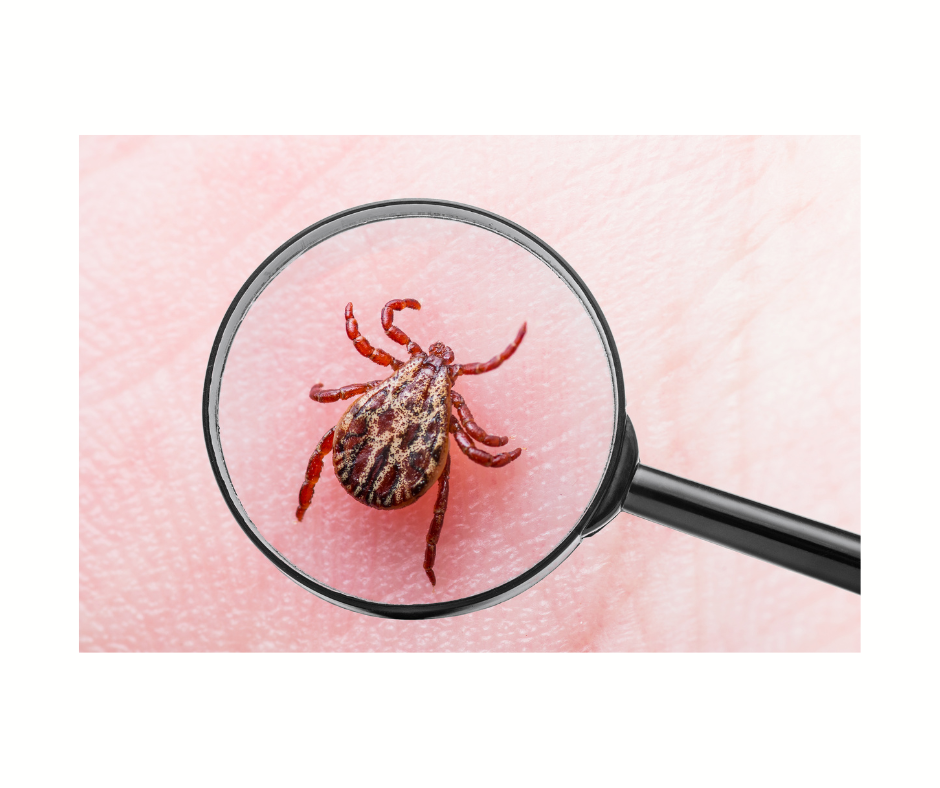
Alpha-gal syndrome (AGS) is a relatively new and often misunderstood condition that challenges the traditional idea of food allergies. Unlike immediate allergic reactions to foods like peanuts or shellfish, alpha-gal syndrome is delayed, triggered by red meat, and caused by something entirely unexpected, a tick bite.
What Is Alpha-gal?
Alpha-gal (short for galactose-α-1,3-galactose) is a sugar molecule found in most mammals (such as cows, pigs, and lamb), but not in humans. When certain ticks, especially the Lone Star tick, bite humans, they can transmit alpha-gal into the bloodstream.
This exposure may trigger the immune system to produce antibodies against alpha-gal. From that point onward, consuming mammalian products can lead to allergic reactions.
What Makes Alpha-gal Different?
Alpha-gal syndrome stands apart from typical food allergies in several key ways:
Delayed reaction: Symptoms usually appear 3–6 hours after eating red meat
Triggered by sugar, not protein: Most allergies involve proteins, but this involves a carbohydrate
Tick-induced: The allergy begins after a tick bite, not from repeated food exposure
Common Triggers
People with alpha-gal syndrome may react to:
Beef, pork, lamb, venison
Organ meats
Gelatin (in foods, supplements, vaccines)
Dairy (in some cases)
Animal-derived products (collagen, certain medications)
Symptoms:
Reactions can vary widely in severity and may include:
Hives or itchy skin
Swelling (lips, face, throat)
Gastrointestinal distress (bloating, diarrhea, nausea)
Runny or congested nose
Shortness of breath
Anaphylaxis (in severe cases)
Because symptoms are delayed, many patients do not initially connect them to food intake.
Diagnosis:
Diagnosis can be challenging due to the delayed nature of symptoms. It typically involves:
Detailed clinical history (especially tick exposure)
Blood test for alpha-gal IgE antibodies
Response to dietary elimination of mammalian products
Management and Treatment
There is currently no cure, but alpha-gal syndrome can often be managed effectively:
1. Avoidance
Eliminate red meat and mammalian byproducts
Carefully read ingredient labels
2. Emergency Preparedness
Carry an epinephrine auto-injector if reactions are severe
3. Tick Bite Prevention
Use repellents
Wear protective clothing outdoors
Perform full-body tick checks
Can Alpha-gal Go Away?
In some cases, symptoms may lessen over time especially if no further tick bites occur. However, repeated bites can worsen or prolong the condition.
Homeopathic Approach to Alpha-gal Syndrome
Alpha-gal syndrome is not just a food allergy, it represents a post-tick bite immune dysregulation, often with histamine instability, gut involvement, and miasmatic activation. From a homeopathic perspective, treatment should not be limited to symptom relief but aimed at resetting immune reactivity and restoring tolerance.
Acute Phase (After Tick Bite or Early Reaction)
First-line remedies
Ledum palustre
Key: puncture wounds, tick bites, prevention of sequelae
Apis mellifica
Key: hives, swelling, burning-stinging, better cold
Urtica urens
Key: urticaria with intense itching, worse from meat/shellfish
Arsenicum album
Key: anxiety + GI symptoms (diarrhea, burning, restlessness)
Histaminum
Regulates hypersensitivity
Post–Tick / Isopathic Layer
Tick-related nosodes:
Lyme nosode
Insect/tick isodes (depending on source)
Gut–Immune Axis Support
Alpha-gal frequently involves delayed GI reactions.
Nux vomica
Bloating, food sensitivity, irritability
Lycopodium
Gas, distension, worse 4–8 pm
Carbo vegetabilis
Severe bloating, air hunger
Constitutional / Miasmatic Layer (Key to Long-Term Resolution)
Common remedy patterns seen in Alpha-gal patients:
Carcinosinum
Hypersensitivity, history of suppression, perfectionism
Food sensitivities, immune dysregulation
Medorrhinum
Strong reactivity, allergies, extremes, gut issues
Psorinum
Chronic allergies, low vitality, intolerance to many foods
Sulphur
Burning, heat, skin eruptions, relapse tendency
Natrum muriaticum
Post-viral sensitivity, emotional suppression
Organ support remedies:
Remedies for liver, gut, and immune modulation
The aim is not just symptom suppression, but regulation of the immune response and restoration of balance.
Case Study: Suspected Alpha-gal Syndrome Following Multiple Tick Bites
Background
The patient is an adult living on a 30-acre farm with wooded areas and horses, resulting in frequent tick exposure. Over a short period, she sustained four tick bites, believed to be from the Lone Star tick, a known vector associated with alpha-gal sensitization.
Timeline of Events
Initial Trigger (Week 1–2)
Multiple tick bites over a one-month period
No immediate systemic symptoms reported
First Reaction (after 2 weeks)
Consumed steak (red meat)
Developed:
Upset stomach
Second, More Pronounced Reaction (Following exposure)
After consuming pulled pork, symptoms developed approximately 2–3 hours later:
Gastrointestinal
Gas, bloating
Cramping abdominal pain
Belching
Audible gurgling
Cutaneous
Itching of palms
Development of ~8 urticarial hives (itchy)
Respiratory / ENT
Initially runny nose → rapidly progressed to severe nasal congestion
Marked nasal inflammation
Additional Observations (Same period)
Recurrent rash in right elbow crease:
Red, bumpy, non-itchy
Intermittent (comes and goes)
Resolution (Within 24 Hours)
After homeopathic support:
Hives: resolved
Itching (palms): resolved
Nasal congestion: resolved
Diarrhea: resolved
Residual:
Mild stomach unsettledness
Clinical Analysis
Strong Indicators of Alpha-gal Syndrome
This case demonstrates several hallmark features:
Tick exposure preceding symptom onset
Reaction to mammalian meat (beef, pork)
Delayed onset
Combination of:
Gastrointestinal symptoms
Urticaria (hives, itching palms)
Nasal congestion / histamine response
This pattern is highly suggestive of early alpha-gal sensitization.
Disclaimer
This case is shared for educational purposes only.
Homeopathic care should always be guided by a qualified practitioner. Remedies and potencies vary depending on the individual’s symptoms and constitution. Always consult your healthcare provider alongside your homeopath.
